
How to Wash & Care for Muslin Bibs — Singapore Guide (2026)
A muslin bib that has gone stiff, stopped soaking up drool or smells faintly sour by Wednesday has almost never worn out. It has been washed the wrong way — usually with something that coats the cotton, or dried too slowly in a flat at 85 per cent humidity. This guide covers how to wash muslin bibs so they stay soft and absorbent: the first wash, the weekly routine, a stain-by-stain chart for milk, purée and confinement soup, and how to dry them fast when it has rained for three days.
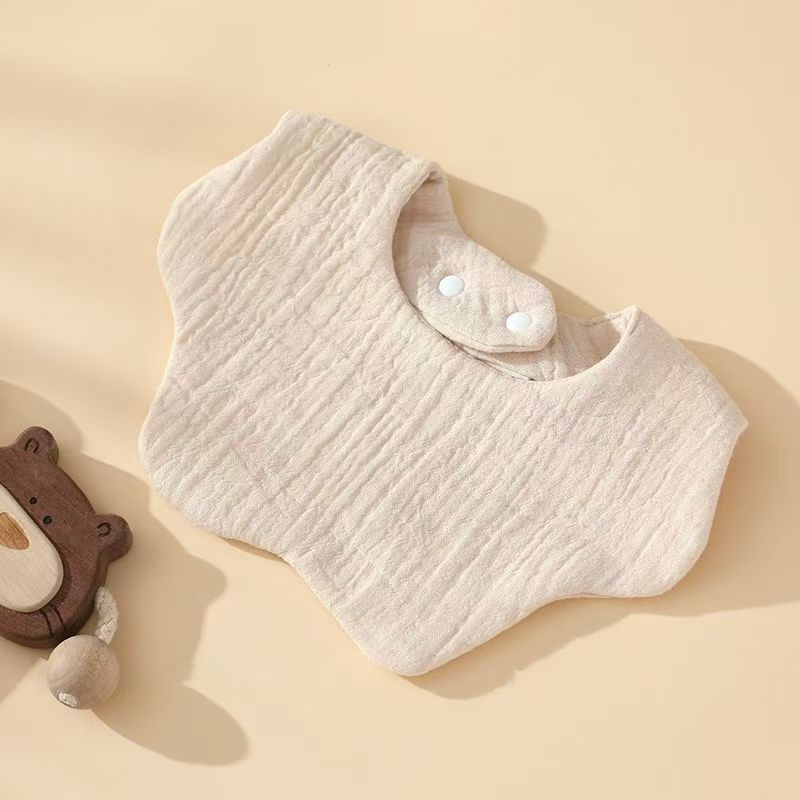
Wash muslin bibs at 30–40°C on a gentle cycle with a fragrance-free detergent and no fabric softener — softener is the single biggest cause of bibs that stop absorbing. Rinse soaked bibs before they hit the basket, wash within a day or two, and line dry: full sun for whites, shade for colours and embroidered names. Rinse milk in cold water first; treat oily stains with a drop of washing-up liquid; let the sun take out carrot, pumpkin and curry. If absorbency has already dropped, one vinegar strip wash usually brings it back. AEBaby's cotton muslin bibs are S$5.99 (plain and double-layer snap) and S$5.90 (printed), pre-washed, with free name embroidery.
- Wash cool: 30–40°C, gentle cycle, fragrance-free detergent
- Never fabric softener, dryer sheets or scented conditioner on any baby cloth
- Milk and formula: cold rinse first — hot water sets protein into the weave
- Oil (sesame oil chicken, curry, barrier cream): washing-up liquid on the spot before the wash
- A single-layer muslin bib dries in roughly 2–3 hours on a sunny service-yard rack
- Sun bleaches whites; shade protects coloured bibs and embroidered names
- Muslin reaches its softest after about 4–5 washes — no conditioner needed
- Retire a bib when a snap loosens, not when it looks tired
The First Wash, Before Baby Wears It
New cotton muslin is slightly water-repellent. The weave is still tight from the loom and there is a fine dust of loose fibre and packing residue on it, so a brand-new bib can shed a drop of milk instead of drinking it. That is not a fault and it is not permanent — it is the reason every muslin product is worth washing once before it goes near a newborn.
One wash at 30–40°C with your usual baby detergent and no softener is all it takes. Wash the bibs together with the hankies, the bath towel and the rest of the new baby laundry so the drum is comfortably full but not packed. Line dry, and they are ready.
Absorbency keeps improving for a while after that. Cotton muslin is at its softest and thirstiest somewhere around the fourth or fifth wash, when the weave has fully relaxed — which is also why a bib that felt a bit crisp in week one feels like a different cloth by the end of the first month. Nothing you add speeds that up; conditioner actively slows it down. If you want the fabric background, our guide to what muslin is and why it suits Singapore babies explains how the open weave works.
The Everyday Wash Routine
With a baby in the drooling stage you will be putting bibs through the machine every second or third day. The routine that keeps them working is short enough to write on a note for whoever else does the laundry — a grandparent during the confinement month, or a helper who has a dozen other things to remember.
| Step | What to do | Why it matters |
|---|---|---|
| Before the basket | Rinse a soaked or food-covered bib under the tap and wring it out | A wet bib in a humid basket sours within a day |
| Temperature | 30–40°C | Enough for drool and milk; hotter shrinks cotton and shortens its life |
| Cycle | Gentle or delicate, with a full rinse | Muslin is light; it does not need agitation, it needs rinsing |
| Detergent | Fragrance-free, dye-free, the dose on the label — not more | Excess detergent stiffens the cloth and sits against baby's skin |
| Softener | None. Leave the compartment empty | The coating that makes clothes feel silky is what stops bibs absorbing |
| Load | Wash with other baby laundry; leave a hand's width at the top of the drum | A crowded drum does not rinse, and leftover detergent stiffens muslin |
| Snaps and prints | Fasten the snaps, turn printed and embroidered bibs inside out | Open snaps catch on other fabric; the print faces away from abrasion |
| Drying | Shake each bib out and hang flat on the rack | A shaken bib dries faster and needs no ironing |
One practical note on Singapore water: PUB tap water is soft by international standards, which is good news for muslin. There is no limescale to stiffen the cloth, and detergent rinses out cleanly — so if your bibs feel scratchy, the cause is almost always too much detergent or a crowded drum, not the water.
What Actually Ruins a Muslin Bib
Very few bibs are worn out by babies. They are retired early because of one of these:
- Fabric softener and dryer sheets. Both work by depositing a thin conditioning layer on the fibres. On a t-shirt that feels lovely. On a bib, a towel or a nursing cloth it is a waterproofing layer — drool beads on the surface and runs down onto the romper. This is the number one reason parents tell us a bib "stopped working".
- Scented detergent and laundry perfume beads. Same coating problem, plus fragrance sitting against the neck fold of a baby who may already have drool rash.
- Chlorine bleach. It weakens cotton fibres with every use, yellows some whites over time, strips colour from dyed bibs and sets rust stains rather than removing them.
- Hot washes and hot tumble drying. Cotton tightens with heat, so the neckline creeps in and the cloth thins faster. It is also unnecessary: drool and milk come out at 40°C.
- Long soaking in detergent. A bib left overnight in a bucket of detergent solution comes out stiff and grey, not clean. Soak in plain cool water if you must soak at all.
- Drying too slowly. A bib that takes eight or nine hours to dry in a closed bedroom during a wet spell picks up a musty smell that survives the next wash.
- Hook-and-loop fasteners in the same load. A single Velcro strip from a feeding bib or a shoe will pull threads across a whole load of muslin. Put anything with Velcro in a mesh bag, or wash it separately.
Stain Chart — Milk, Purée, Oil and Curry
The rule behind the whole table: protein stains want cold water, oily stains want detergent and warmth, and pigment stains want sunlight. Get those three the wrong way round and a stain sets permanently.
| Stain | What it is | What to do | Avoid |
|---|---|---|---|
| Milk, formula, posset | Protein + fat | Cold rinse straight away, then a normal 30–40°C wash | Hot water first — it cooks the protein into the weave |
| Breast milk (yellow marks that appear later) | Milk fat oxidising | Normal wash, then two to three hours in direct sun | Bleach — sun does it better and does not weaken the cloth |
| Carrot, pumpkin, sweet potato purée | Oil-carried orange pigment | Scrape off, rub in a drop of washing-up liquid, warm wash, then sun | The dryer while the mark is still visible |
| Banana and avocado (brown a day later) | Oxidising plant compounds | Rinse the same day — these darken with time, so speed matters most | Letting it dry on and dealing with it at the weekend |
| Berries, beetroot, dragon fruit | Water-soluble pigment | Rinse from the back of the fabric under a strong cold tap, then wash | Rubbing the front, which pushes pigment deeper |
| Sesame oil chicken, herbal soup (confinement) | Oil + tannin | Washing-up liquid worked into the spot, warm water, then a normal wash | Sun-drying before the oil is out — heat sets it |
| Curry, turmeric, laksa splash | Strong yellow pigment | Wash normally, then lay the damp bib in full sun — most of it fades in an afternoon | Giving up after one wash; sunlight needs a couple of goes |
| Soy sauce, kaya, sweet drinks | Sugar and salt | Cold rinse immediately; these come out easily if they are not baked in | Hot water on sugary stains |
| Barrier or nappy cream on the neckline | Greasy zinc-based paste | Scrape off the excess, washing-up liquid on the mark, warm wash | A cold wash, which leaves a grey shadow |
| Rust dots from an old drying rack | Iron oxide | A little lemon juice or white vinegar on the spot, sun, then rinse | Bleach — it sets rust permanently |
Drying in Singapore's Humidity
Drying is where local advice genuinely differs from anything written for a temperate climate. At 80–90 per cent relative humidity the air is already close to holding all the water it can, so evaporation depends almost entirely on air movement and sun. A muslin bib is thin and open-weave, which is exactly why it is the fastest baby cloth in the house to dry — but only if it is hung properly.
| Where you dry it | Typical dry time (single-layer muslin bib) | Notes |
|---|---|---|
| Service-yard rack, direct sun | About 2–3 hours | Best for whites; sun bleaches stains and freshens |
| Service-yard rack, shade or overcast | About 3–5 hours | The right choice for coloured and embroidered bibs |
| Indoors with a standing fan on the rack | About 4–6 hours | Air movement matters more than heat — point the fan at the rack |
| Aircon bedroom overnight | Usually dry by morning | Aircon dehumidifies, so this works well in a wet week |
| Closed room, no fan, rainy spell | 8 hours or more | This is where musty smells come from — avoid it |
| Tumble dryer, low heat | 20–30 minutes | Fine occasionally; not the routine, and never with dryer sheets |
Hooded bath towels are the slow item on the rack: roughly 3–4 hours in sun and 5–7 hours indoors with a fan, so hang them fully open across two rods. Our baby bath towel Singapore guide has a towel-specific drying table and tips on keeping them from going sour.
A few habits make the difference between two hours and six:
- Shake each bib out hard before hanging. It takes two seconds, opens the weave and removes the creases that would otherwise need ironing.
- Hang with space around it. Bibs pegged shoulder to shoulder on a crowded rack dry at half the speed. Spread them out, or hang them over separate rungs.
- Double-layer bibs need longer. Our double-layer snap bibs hold more drool, which is the point, but budget roughly half as long again to dry and hang them fully open rather than folded over a rail.
- Watch the monsoon weeks. During the wet phase of the northeast monsoon, roughly November to January, the yard rack can stay damp for days. That is the time to run the bedroom aircon with the rack inside, or to keep a few extra bibs in rotation.
- Bring them in before the evening damp. Laundry left out overnight in an open yard re-absorbs moisture from the air and can end up smelling worse than when it went out.
- Check the rack itself. Older metal racks and bamboo-pole holders rust in this climate, and a rusty rung leaves orange dots on a white bib. Wipe the rack down every few months.
If drying time is a constant struggle, the honest answer is usually to own more bibs rather than to dry faster — our how many baby bibs you need section works through the numbers for a heavy droolier.
Sour Smells, Mildew Spots and the Laundry Basket
The classic complaint is a bib that smells clean out of the machine and sour again an hour after baby wears it. That is not the bib — it is residue in the fibres reacting with fresh drool. Two causes, and both are fixable.
The first is what happens before the wash. A drool-soaked bib dropped into a covered plastic basket in a Singapore flat is sitting in a warm, damp, closed box. Within a day it develops the sour smell, and after two or three it can show grey mildew freckles that never fully come out. Rinse soaked bibs under the tap, wring them, and hang them over the edge of the basket or on a spare rung until wash day. Keep the basket open and somewhere airy rather than sealed in a bathroom.
The second is residue left in the cloth — too much detergent, an overloaded drum, or a build-up of softener from months of washing. A vinegar strip wash clears all three; see the strip wash below.
Mildew spots that have already set are worth one attempt: soak in cool water with a cup of white vinegar for an hour, wash normally, then dry in full sun. If the grey freckles survive that, the bib is fine for mopping up spills but we would not put it back on a baby's neck.
Washing Bibs With an Embroidered Name
Every AEBaby bib can be personalised with your baby's name at no extra cost, and embroidery is far more durable than a printed name — but the thread deserves a little care, especially when a bib goes to infant care and comes back five times a week.
- Turn it inside out so the stitching faces away from the drum and the other laundry.
- Use a mesh laundry bag. This is the single best habit for named bibs — it stops the thread catching on a zip, a snap or a Velcro strip.
- 30–40°C, gentle cycle, exactly as for any other muslin bib.
- No bleach and no whitening or "brightening" detergent. Both attack coloured thread first.
- Dry in the shade. Full midday sun here fades embroidery thread faster than the washing ever will.
- Iron on the reverse, if you iron at all — most muslin does not need it if you shake it out before hanging.
Those rules are the same ones that keep the name legible on a bib that lives in a childcare bag. Our baby name embroidery guide covers fonts, character limits and where the name sits on each style, and personalised baby bibs shows the full range you can add a name to.
Restoring Absorbency — The Vinegar Strip Wash
If drool is running down the front of the bib instead of soaking in, the cloth is coated, not finished. Stripping it takes one cycle and costs the price of a bottle of white vinegar from any supermarket.
- Load the bibs alone, with no other laundry and no detergent at all.
- Add about half a cup of plain white vinegar to the fabric-softener compartment, so it goes in at the rinse.
- Run the warmest cycle the care label allows — 40°C is usually plenty for muslin.
- Follow with a plain rinse cycle, nothing added, so no vinegar smell is left. There will not be one once the bibs are dry.
- Line dry in the sun and test with a teaspoon of water: it should soak straight in and leave a dark patch, not sit as a bead.
Badly coated bibs sometimes need the cycle twice. If a bib still beads water after two strip washes, it has been through a lot of softener over a long time, and it is more useful as a burp cloth than as a drool bib from here on.
Two things to skip: baking soda and vinegar together in the same cycle simply cancel each other out, and commercial "stripping" powders are far harsher than a baby cloth needs. Plain vinegar, no detergent, one hot-ish cycle.
Sterilising, Sanitiser and What You Can Skip
Bibs are not bottles. A healthy baby's bib does not need sterilising, and the antibacterial laundry sanitisers on the supermarket shelf are not doing much for a cloth that goes through a full wash cycle every two days — while the fragrance in them sits right in the neck fold of a baby who may already be prone to sensitive-skin irritation.
There are three situations where a little extra is reasonable:
- Hand, foot and mouth in the household or the childcare centre. Wash the affected child's bibs separately on a warmer cycle, dry them in full sun, and follow whatever the centre advises.
- Thrush. If your baby is being treated for oral thrush, wash bibs and anything else that touches the mouth on a hot cycle for the duration of the treatment, and dry in the sun.
- Visible mildew. Treat as above with a vinegar soak, or retire the bib.
Otherwise the ordinary routine is enough, and sunlight is a better and gentler sanitiser than anything you can pour in. Skip the softener, skip the sanitiser, and put the bibs where the sun hits them.
When to Retire a Bib
Muslin thins gracefully — it will look tired long before it stops working. The signals that actually matter are:
- A snap that has loosened. This is the one non-negotiable. A snap that can be worked off the fabric is a small part a baby can put in their mouth. Check the snaps each time you fold the laundry, and retire that bib immediately.
- Holes or a fraying edge at the neckline, where the fabric takes the most stress.
- Mildew freckles that survived a vinegar soak and a day of sun.
- Water that still beads after two strip washes.
A retired bib is not rubbish. Ours end their working life as burp cloths, high-chair wipes, dust cloths for the shelf or plant-pot liners — thin cotton muslin is more useful around an HDB flat than almost anything else you own. What you should not do is keep a bib with a loose snap "just for home".
The AEBaby Muslin This Applies To
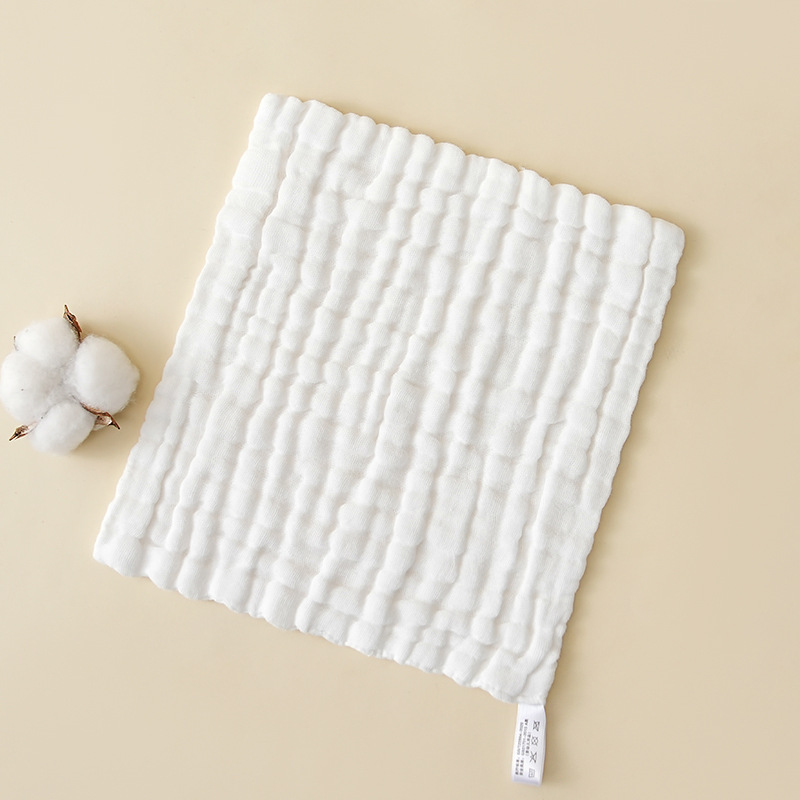
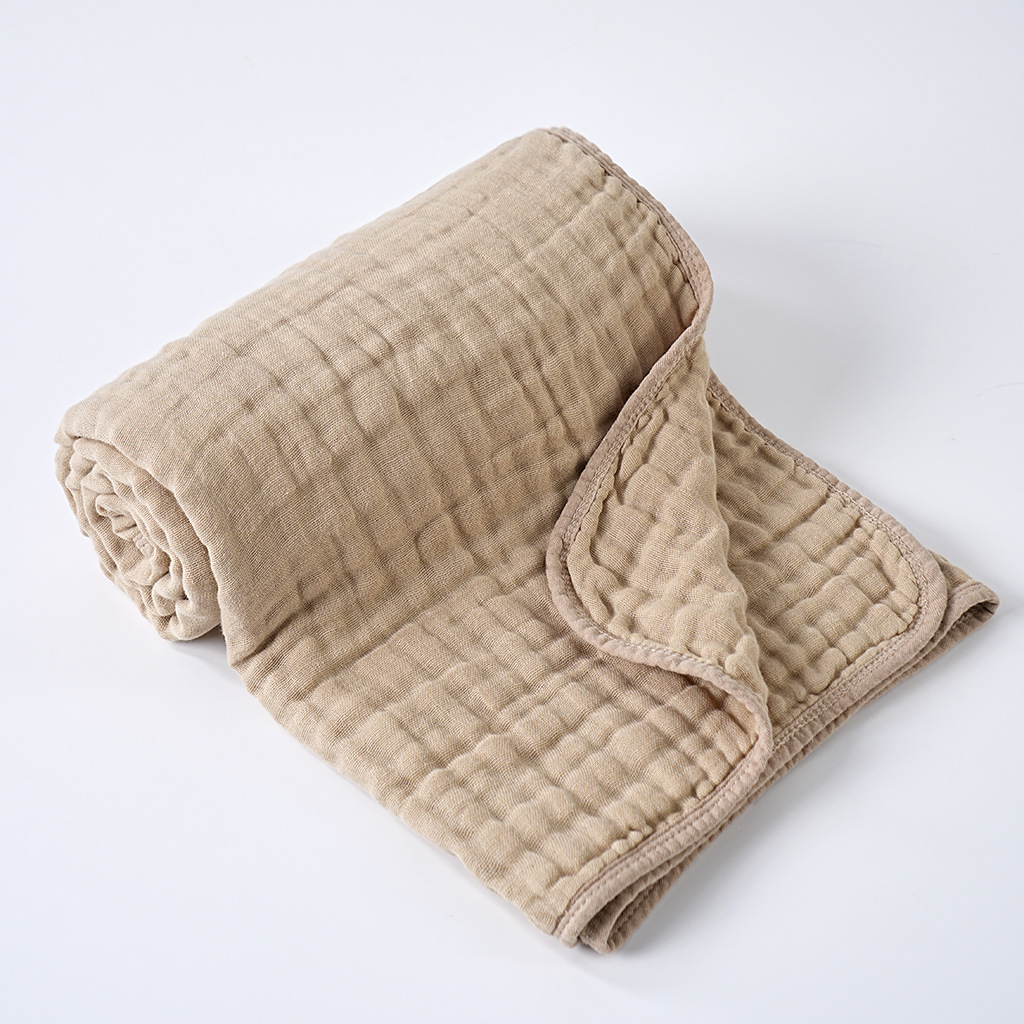
Everything above is written for 100% cotton muslin — which is what we make. Each of these is pre-washed, one size with a snap closure, and comes with free name embroidery.
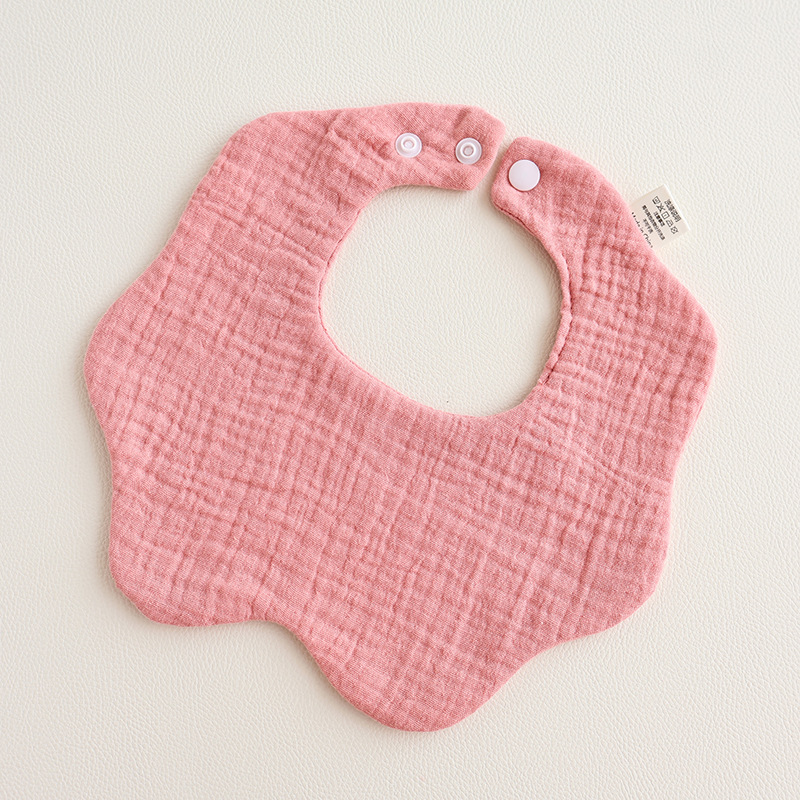
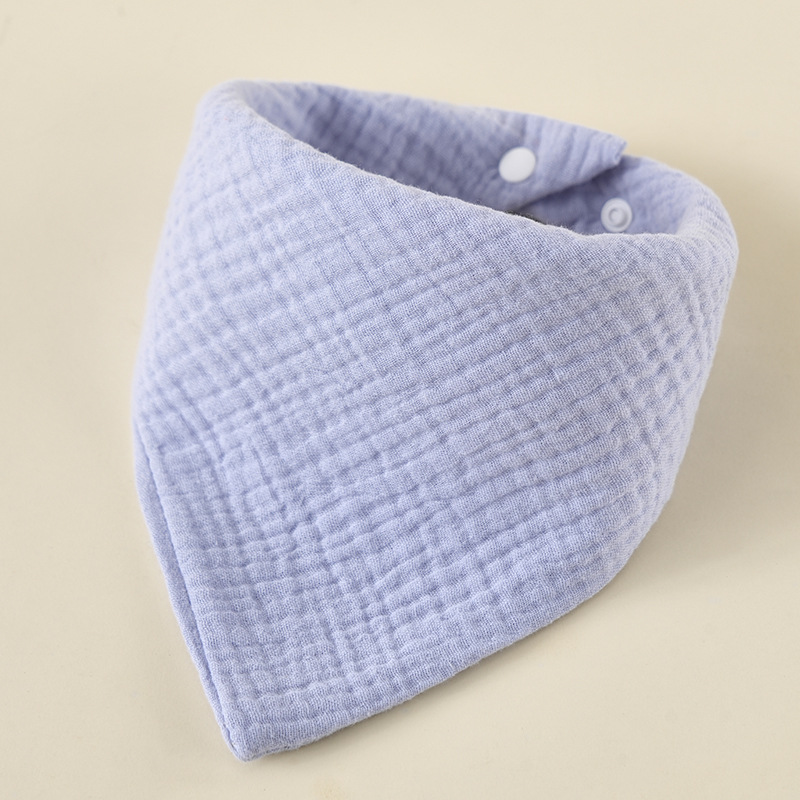
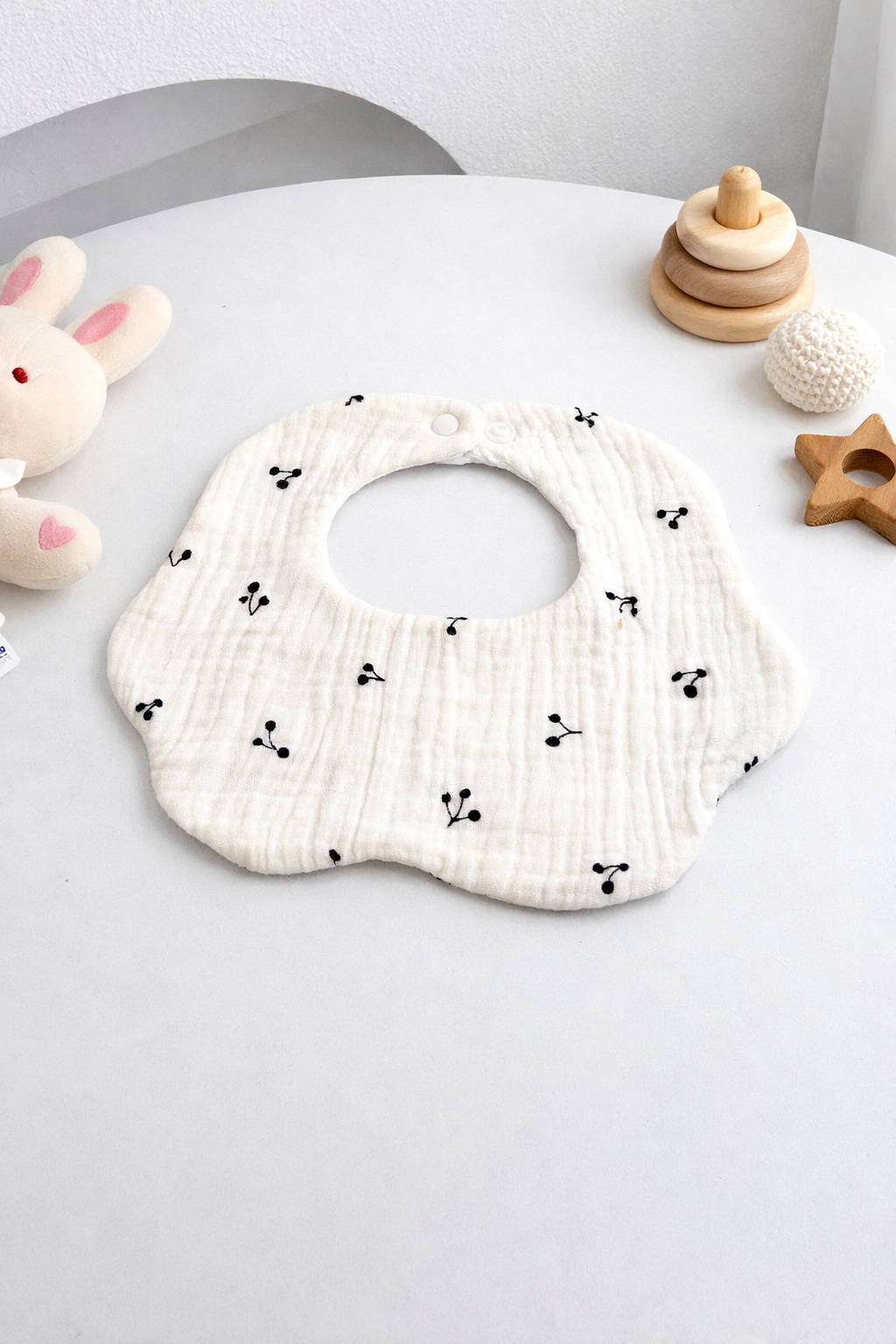
New to muslin and still deciding what to buy? Start with the complete baby bibs Singapore guide, check the bib size guide by age, or compare materials in cotton muslin vs bamboo. Shopping for a girl, the baby girl bibs range has the pinks, blush and florals.
FAQ — Washing Muslin Bibs
How do you wash muslin bibs?
Machine wash muslin bibs at 30 to 40°C on a gentle or delicate cycle, with a fragrance-free detergent and no fabric softener. Rinse any soaked bib under the tap before it goes in the basket, wash bibs with other baby laundry rather than on their own, and do not overload the drum. Line dry on the service-yard rack, in the shade for coloured and embroidered bibs and in direct sun for whites. In Singapore a single-layer muslin bib is usually dry in two to three hours on a sunny rack.
Should I wash new muslin bibs before the first use?
Yes. Give every new bib one wash before it touches your baby's skin, at 30 to 40°C with your usual baby detergent and no softener. The first wash removes packing dust and loose surface fibres, and it starts the process that makes muslin absorbent — new cotton muslin repels a little until the weave has relaxed. AEBaby bibs are pre-washed before they are packed, so one home wash is enough; the fabric reaches its softest after about four or five washes.
Why have my muslin bibs stopped absorbing drool?
Almost always fabric softener, dryer sheets, or a scented detergent that leaves a conditioning film on the fibres. Drool then sits on the surface and runs onto the romper instead of soaking in. The fix costs nothing: run the bibs through one hot-as-the-label-allows wash with about half a cup of white vinegar in the rinse compartment and no detergent at all, then a plain rinse. Absorbency usually returns within a cycle or two. Afterwards, keep softener away from every baby cloth, including towels and hankies.
Why do my baby's bibs smell sour even after washing?
In 80 to 90 per cent humidity a drool-soaked bib left in a covered laundry basket starts to sour within a day, and a bib that takes eight hours to dry indoors during a rainy spell can pick up a musty smell as it dries. Rinse soaked bibs before they go in the basket, keep the basket open and airy rather than lidded, wash within a day or two, and dry with sun or a fan rather than in a closed room. If the smell is already set in, a vinegar rinse followed by a few hours in direct sun usually clears it.
How do I get food and milk stains out of a muslin bib?
Rinse milk and formula in cold water first, because hot water sets the protein into the weave. Oily stains — sesame oil chicken and herbal soup during confinement, curry from a hawker lunch, barrier cream at the neckline — need a drop of washing-up liquid rubbed into the spot with warm water before the wash. Fruit and vegetable purées come out with normal washing, then direct sunlight: a few hours of Singapore sun fades carrot, pumpkin and curry marks better than any stain remover. Do not tumble dry a bib that still shows a stain, as heat sets what is left.
Can I tumble dry muslin bibs?
You can, on low heat, but there is rarely a reason to in Singapore — a muslin bib dries on the rack in a couple of hours. Regular hot tumble drying shrinks cotton slightly, so a neckline that fitted well can feel snug after a month, and it wears the fabric faster than line drying. Never use dryer sheets: they coat the fibres and are one of the main reasons bibs stop absorbing. Keep the dryer for rainy weeks, and skip it entirely for bibs with an embroidered name.
How do I wash a bib with an embroidered name?
Turn it inside out, use a mesh laundry bag so the stitching cannot catch on a zip or a snap, wash at 30 to 40°C on a gentle cycle, and skip bleach and any whitening detergent. Dry it in the shade rather than full sun — strong equatorial sun fades embroidery thread faster than washing does — and iron on the reverse if you iron at all. Treated this way, an embroidered name on an AEBaby muslin bib outlasts the drooling stage comfortably.
Final Thoughts
Muslin bib care comes down to one instinct: never put anything on the cloth that is designed to coat it. No softener, no dryer sheets, no perfumed detergent, no sanitiser you do not need. Everything else — cool wash, gentle cycle, rinse before the basket, shake out, hang with space around it — is about keeping the weave open and getting the bib dry before this climate has a chance to work on it.
Do that and a S$5.99 muslin bib lasts through the whole drooling stage, still soft, still thirsty, with the name still readable on the corner. Most of the bibs that get thrown out early never needed to be. 💕
Next: the best bibs for drooling babies, the muslin bibs explainer, or browse the full baby bib range.