
Baby Teething Guide Singapore 2026 — When It Starts, Symptoms & Best Teething Bibs
Everything Singapore parents need to know about baby teething — when it starts, what symptoms to expect, how to soothe your baby, and why a good teething bib is non-negotiable in Singapore's humid climate.
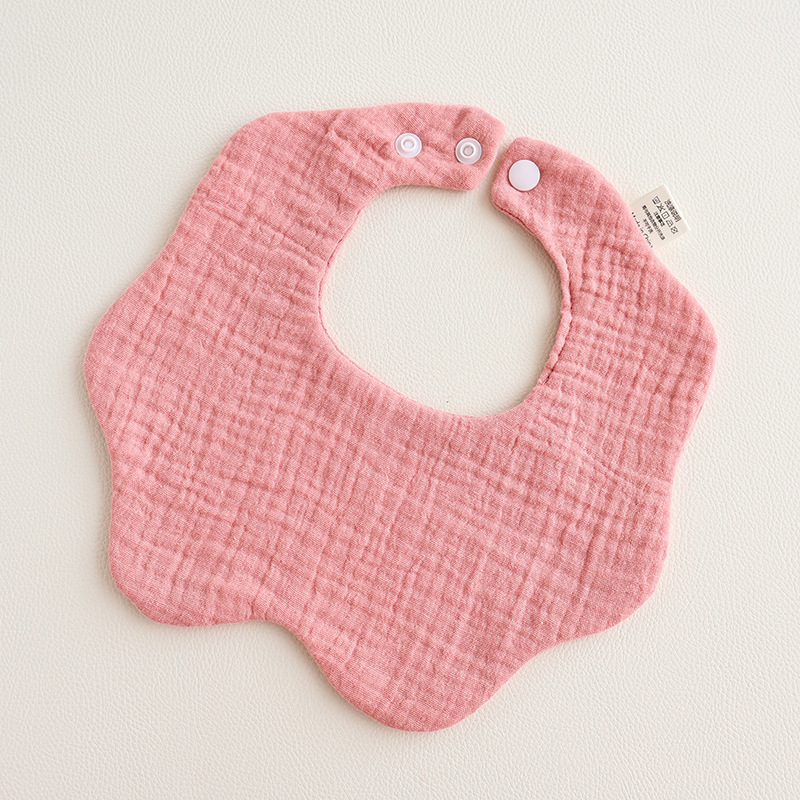
Most Singapore babies start teething between 4–7 months, though some start as early as 3 months. The first signs are increased drooling, fussiness, and chewing on hands. A good teething bib — soft, highly absorbent, and quick-drying — is essential for keeping baby's chest dry and preventing neck rash in Singapore's humid climate.
- Teething typically begins at 4–7 months (range: 3–12 months)
- First teeth: lower central incisors (bottom front teeth)
- Drool increases 5–10x during teething — you'll need 10–12 bibs
- Singapore's humidity makes wet bibs worse — quick-drying muslin is essential
- Teething bibs should be soft on sore gums, highly absorbent, machine washable
- AEBaby muslin bibs are used by 500+ Singapore families as teething bibs
When Do Singapore Babies Start Teething?
The short answer: most Singapore babies get their first tooth somewhere between 4 and 7 months old. But the normal range is much wider — anywhere from 3 months to 12 months is considered perfectly healthy. Some babies even start showing teething signs at 3 months without a tooth breaking through for weeks or months after.
By the time your child is around 3 years old, all 20 primary (baby) teeth are typically present. The full teething journey is a long one — it starts in the first year and continues well into the toddler years.
If your baby is an early teether (first tooth before 4 months), there's usually nothing to worry about. Similarly, if your baby reaches 9 or 10 months with no sign of a tooth, don't panic — some babies simply teethe later than others. The NHS and Singapore paediatricians alike generally advise seeing your PD only if there are no teeth by 12 months. If you have concerns, your child's paediatrician at KKH, NUH, or Thomson Medical can assess whether any follow-up is needed. Late teething has no link to developmental delays and is most often just individual variation.
Baby Teething Symptoms — What to Look For
Knowing the signs of teething helps you respond quickly — and also helps you distinguish teething from illness. Here are the most common baby teething symptoms Singapore parents report:
- Increased drooling — often the very first sign; drool production increases dramatically and soaks through bibs fast
- Fussiness and crying more than usual — sore gums cause discomfort, especially when a tooth is about to break through
- Chewing on hands, toys, everything — counter-pressure on the gums provides relief
- Swollen, tender gums — you may be able to see or feel a hard lump beneath the gum surface
- Sleep disruption — teething pain can wake babies more frequently at night
- Chin rash / neck rash from saliva — excess drool sitting on the skin causes irritation, especially in Singapore's humidity
- Mild temperature — a very slight rise in body temperature can occur, but this is not a true fever
Important: Runny nose and high fever (above 38°C) are not teething symptoms. If your baby has these alongside teething signs, see a doctor — they point to illness, not teething. Do not attribute persistent diarrhoea or widespread rash to teething either.
Teething Order — Which Teeth Come First?
Teeth don't arrive all at once — they follow a fairly predictable order, starting with the bottom front teeth. Here's a general teething timeline to help you know what to expect:
| Tooth | Typical Age |
|---|---|
| Lower central incisors (bottom front) | 4–7 months |
| Upper central incisors (top front) | 8–12 months |
| Upper lateral incisors | 9–13 months |
| Lower lateral incisors | 10–16 months |
| First molars | 13–19 months |
| Canines | 16–22 months |
| Second molars | 25–33 months |
These are general ranges — your baby may follow a slightly different sequence, and that's normal. What matters more than the exact order is that all 20 primary teeth typically appear by around age 3.
How to Soothe Teething in Singapore
Teething is uncomfortable, and your baby will need your help to get through the harder moments. Here are the most effective and safe teething remedies trusted by Singapore parents:
- Cold teething toys — refrigerate (do not freeze) a teething ring or beechwood teether for 15–20 minutes before offering it. The cool surface soothes inflamed gums. AEBaby's Wood Ring Teether Singapore is made from natural, untreated beechwood — safe for chewing with no paint or chemicals.
- Gum massage — gently rub your baby's gums with a clean finger. The counter-pressure can provide immediate short-term relief.
- Cold muslin cloth on gums — dampen a muslin cloth, chill it in the fridge, and let your baby chew on it. Soft, safe, and effective.
- Teething gel — some parents use teething gels, but always check with your PD first. Many Singapore paediatricians recommend avoiding lidocaine-based gels for babies under 2.
- More cuddles — sometimes comfort is the best medicine. Skin contact and reassurance go a long way during fussy teething days.
- Keep baby dry with fresh bibs — in Singapore's humidity, drool sitting on baby's chest and neck causes rash fast. Swap bibs frequently and use highly absorbent muslin bibs.
For Singapore families, the heat and humidity add an extra layer of discomfort for teething babies. Keeping your baby cool, dry, and well-comforted makes the teething phase more manageable for both of you.
Why Teething Bibs Are Essential in Singapore
During the teething phase, drool production increases dramatically — sometimes 5 to 10 times the normal amount. This isn't just a minor inconvenience. A teething baby can soak through a standard bib in under an hour, leaving their chest and neck damp for extended periods.
In Singapore's humid climate, this is a particular problem. Damp skin against a wet bib in 30°C heat is a fast recipe for neck rash and chin rash — uncomfortable for baby and stressful for parents. Standard newborn bibs that were adequate during the early feeding phase are often simply not absorbent enough once teething begins in earnest.
This is why most Singapore parents upgrade to cotton muslin teething bibs specifically: muslin absorbs moisture fast, pulls it away from the skin, and — critically — dries quickly between uses. A polyester or terry cloth bib may absorb well but holds moisture for much longer, which works against you in tropical weather.
The practical upshot: during the teething phase, you'll need to stock 10–12 bibs (versus the 8–10 recommended for newborns) to get through the day without constant laundry. Browse AEBaby's range of teething bibs Singapore parents trust most.
What Makes the Best Teething Bib?
Not all bibs make good teething bibs. During the teething phase, the demands are higher — you need a bib that can handle heavy, sustained drool and keep baby's skin dry throughout the day. Here's what to look for:
- High absorbency — cotton muslin is consistently rated the best material for drool and teething bibs; it absorbs fast and holds moisture away from skin
- Soft on irritated skin — teething babies have sensitive skin around the chin and neck from constant drool contact; rough or stiff fabric makes rash worse
- Quick-drying — essential in Singapore's climate; a bib that stays damp for hours is worse than no bib at all
- Machine washable — during teething you may be washing multiple bibs daily; they need to survive frequent washes without shrinking or stiffening
- Snap closure — easy on and off for quick swaps, and more secure than velcro for active babies who try to pull their bib off
- Safe dyes — look for Oeko-Tex certified or equivalent; babies mouth and chew everything near their face during teething, including bib edges
AEBaby's muslin bibs meet all of these criteria. One quick comparison worth noting: silicone bibs, while popular for feeding, are not suitable as teething bibs — they don't absorb drool, and the hard edge can be uncomfortable against sore skin. For the teething phase, soft cotton muslin wins every time.
AEBaby's Teething Bib Range + Wood Ring Teether
AEBaby offers two bib styles that Singapore parents use most during the teething phase, plus a natural teething toy:
Available in 15+ solid colours including pink, blush pink, beige, cream, sage, and more. The most popular everyday teething bib in Singapore. 100% cotton muslin, adjustable snap closure, machine washable. Gets softer with every wash — ideal as both a drool bib and a teething bib from newborn through the toddler phase.
Double-layer construction for extra absorbency — ideal for heavy droolers and active teethers who move around a lot. The secure snap closure stays in place even when baby is crawling or wriggling. Available in a range of colours suited to boys and girls alike.
AEBaby's Wood Ring Teether Singapore is made from natural beechwood with no paint, varnish, or chemicals. Safe for babies to chew on. The ring shape is easy for small hands to grip, and the firm wood provides satisfying counter-pressure on sore gums. Refrigerate briefly before use to add a soothing cooling effect.
Frequently Asked Questions — Baby Teething Singapore
When should I be worried about late teething in Singapore?
Most Singapore babies get their first tooth between 4–7 months, but the normal range extends all the way to 12 months. If your baby has no teeth by 12 months, consult your paediatrician at KKH, NUH, or a Thomson Medical clinic. Late teething is usually not a cause for concern, but a check-up can rule out any underlying issues and give you peace of mind. Genetics play a big role — if you or your partner were late teethers, your baby likely will be too.
Are AEBaby bibs good for teething babies?
Yes. AEBaby's 100% cotton muslin bibs are highly absorbent, soft on irritated skin near the chin and gum area, and quick-drying — all essential qualities for a teething bib in Singapore's humid climate. They're trusted by 500+ Singapore families as everyday teething bibs and are available in 15+ colours. Machine washable and safe for daily use from birth onwards. See our complete baby bibs guide for more detail on materials and bib types.
What teething toys are safe for Singapore babies?
Safe teething toys for Singapore babies include natural beechwood ring teethers (like AEBaby's Wood Ring Teether, which is untreated and free from paint or chemicals), firm silicone teethers, and chilled (not frozen) muslin cloths. Avoid teething toys with liquid-filled centres or small parts that could detach. Always check for Oeko-Tex or equivalent safety certifications. Refrigerate teething toys before use — never freeze them, as extreme cold can damage gum tissue.
How do I know if my baby is teething or sick?
Teething symptoms include increased drooling, fussiness, chewing on hands or objects, swollen gums, and mild temperature (not above 38°C). Teething does not cause high fever, runny nose, diarrhoea, or rashes elsewhere on the body. If your baby has a fever above 38°C, persistent inconsolable crying, or any of these additional symptoms, see a doctor — these are signs of illness, not teething. When in doubt, always consult your paediatrician.
How many teething bibs do I need in Singapore?
During the teething phase (typically 4–9 months), Singapore parents typically need 10–12 bibs. Drool production increases 5–10 times during teething, and Singapore's humid climate means wet bibs need to be changed more frequently to prevent neck rash and chin rash. Having 10–12 bibs ensures you always have a dry, clean one available without having to do laundry every day. Check our newborn essentials checklist for a full list of what to stock up on before baby arrives.